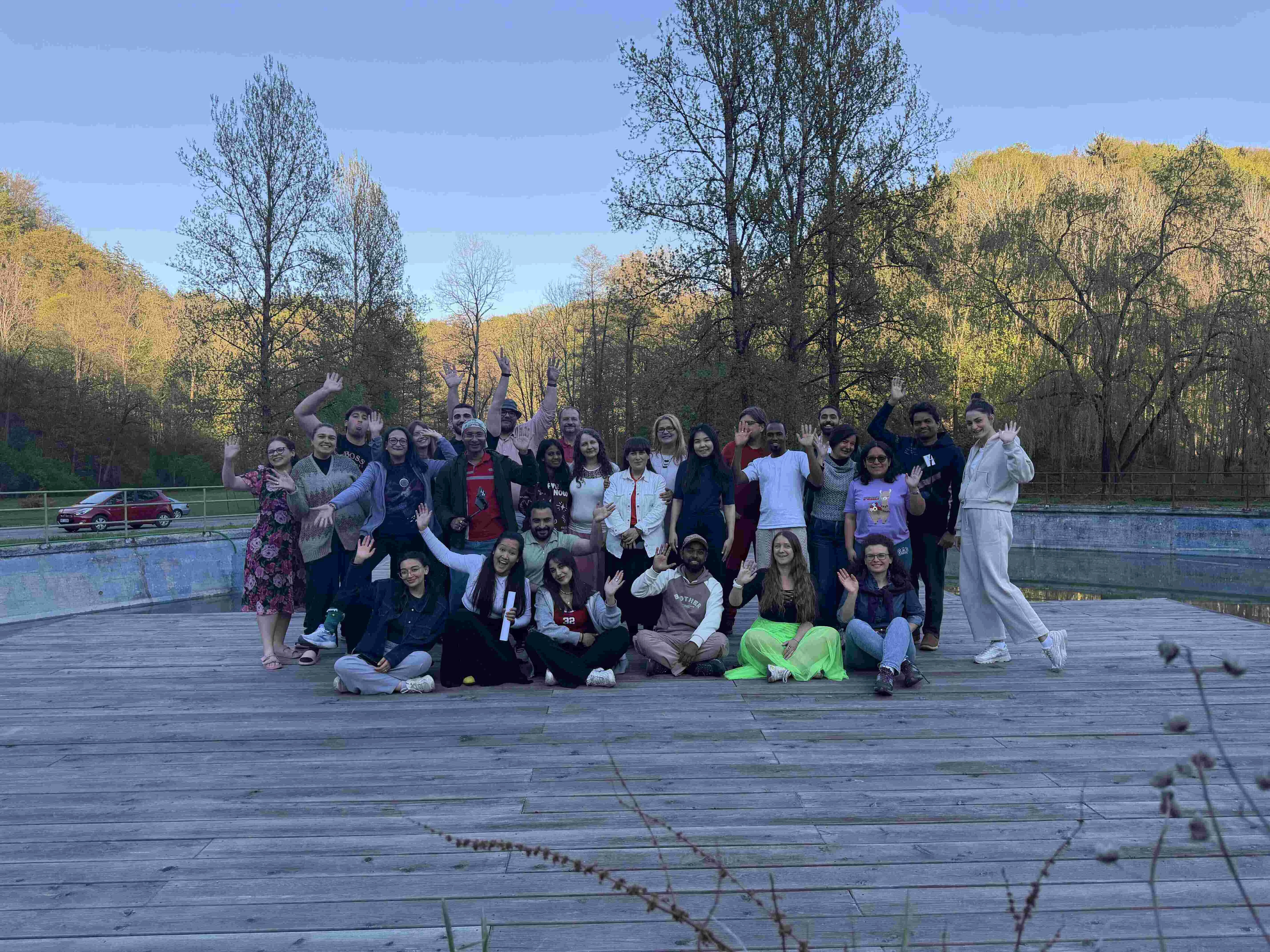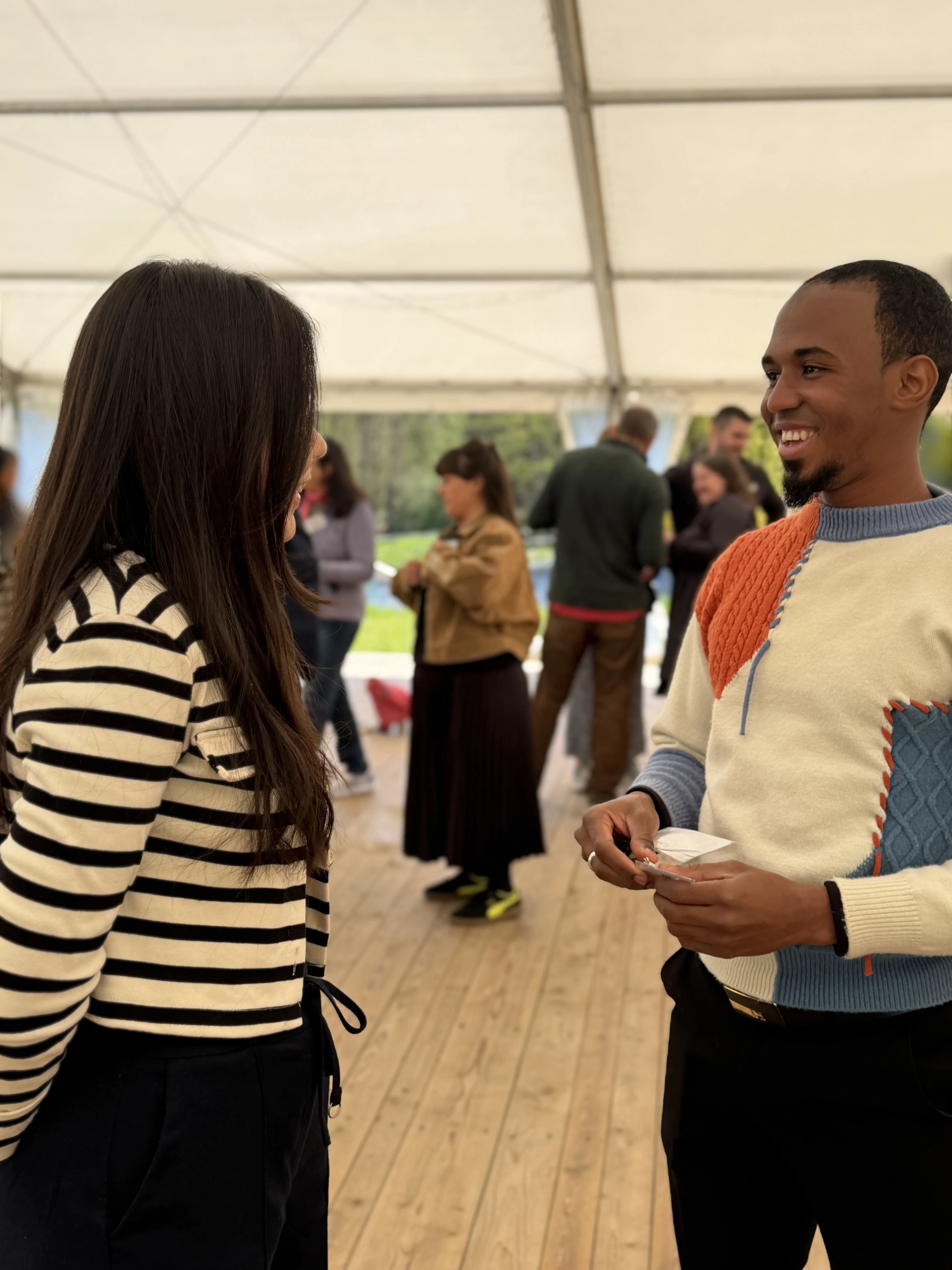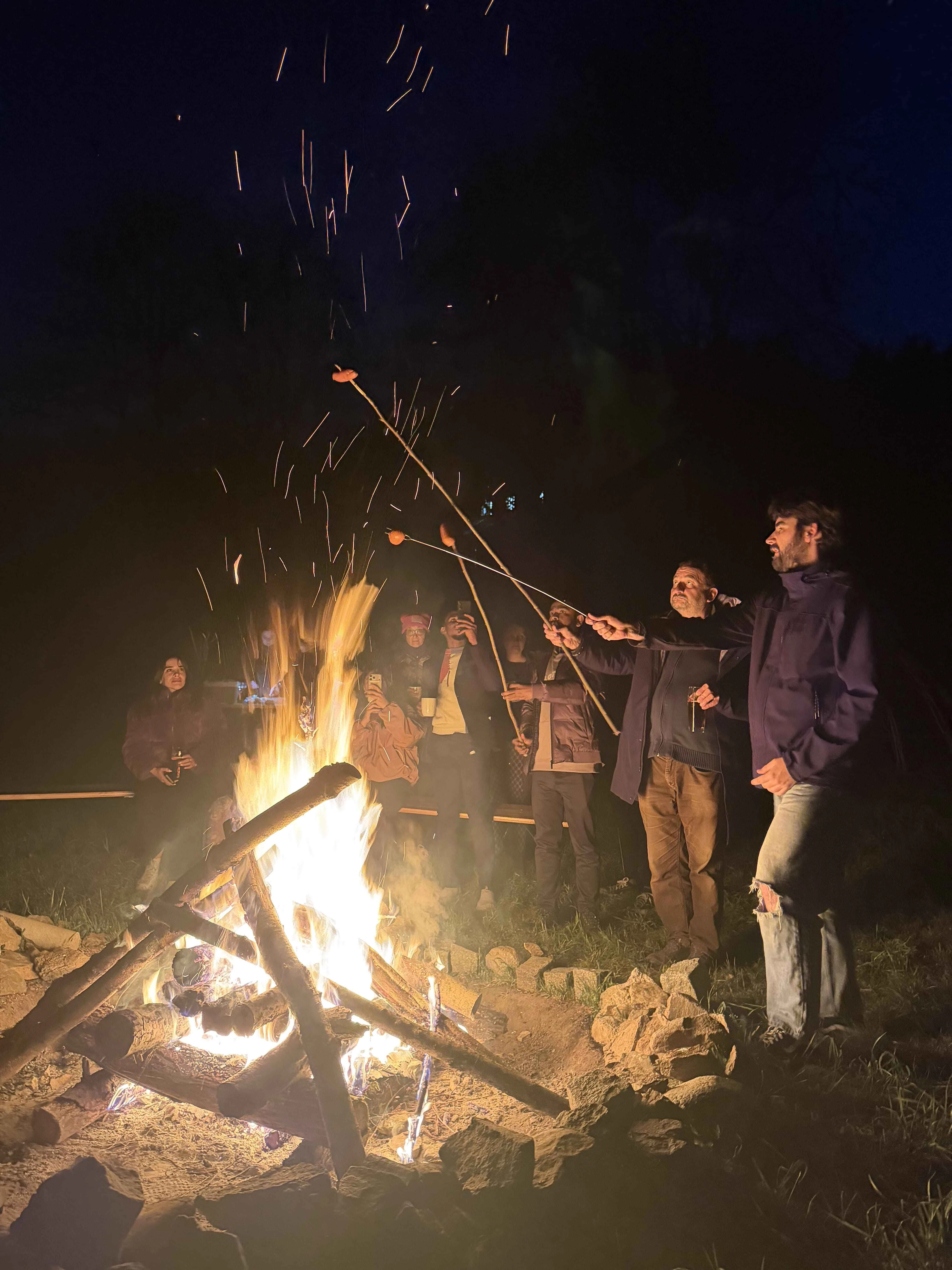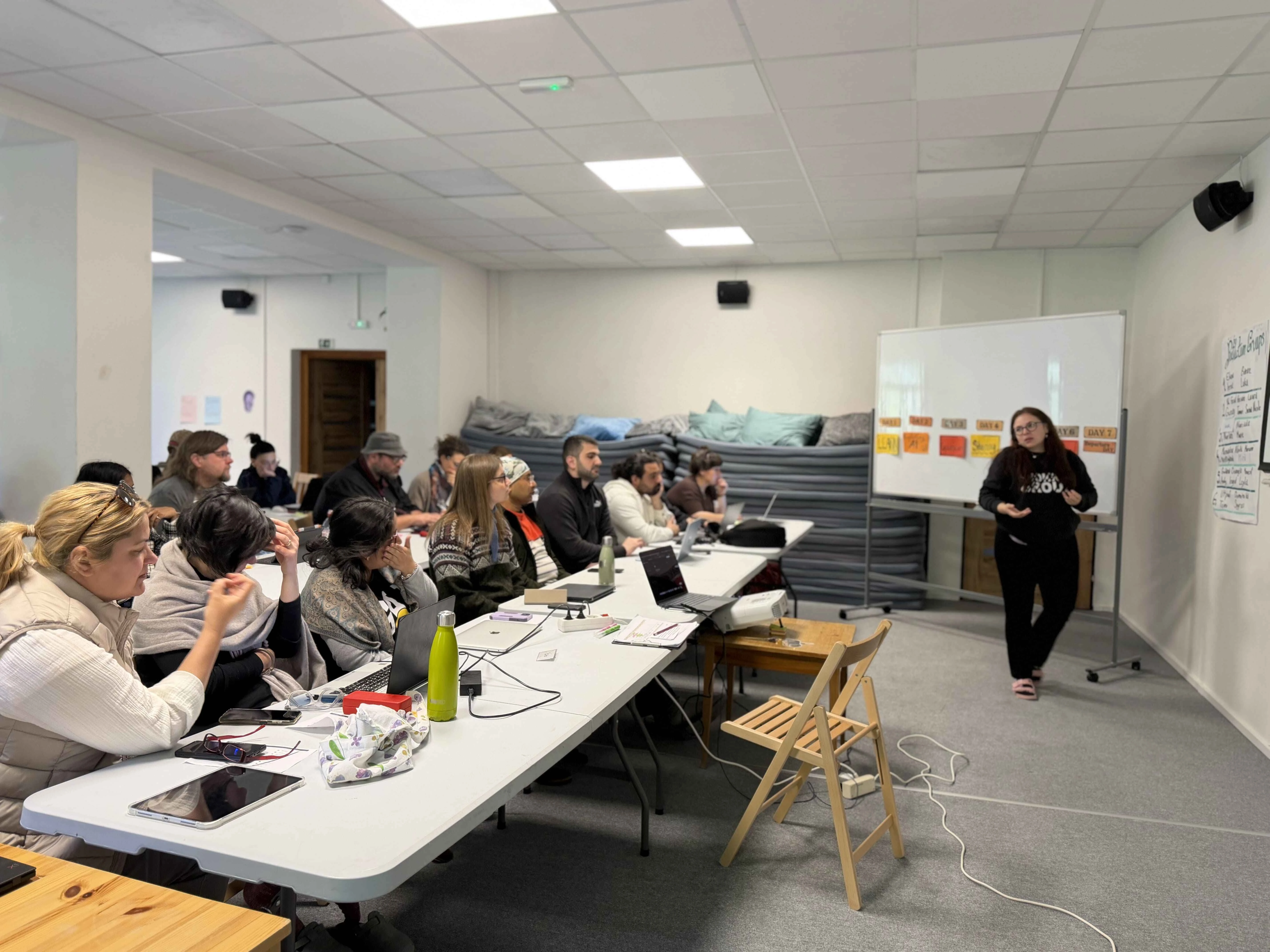
At the end of April and the beginning of May, 36 educators from fourteen countries gathered at Kubasův Mlýn in Hrádek, united by one main goal: a desire to push their teaching further and embrace new technologies without fear.
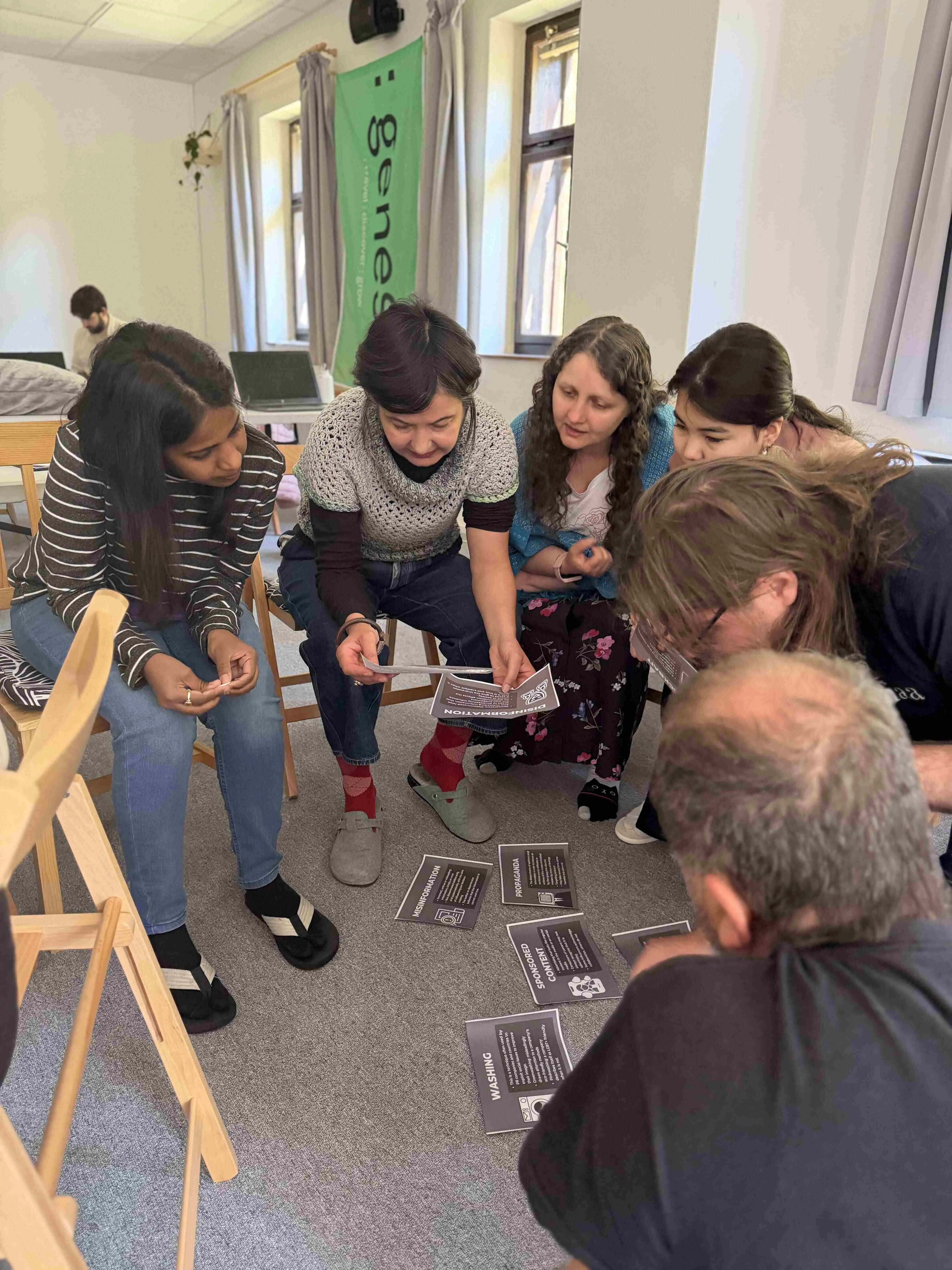
The beginning of the week focused on building solid foundations. How can we write prompts for generative AI so that the results are genuinely useful rather than vague? How can we approach visual media critically? And how can Canva be used not just as a design tool, but as an opportunity to think more deeply about what we communicate and how we communicate it? As the week progressed, the programme opened up more complex topics such as interactive game mechanics, real-time media verification, and collaborative content creation. And of course, there were the questions that can no longer be ignored today: the ethics of artificial intelligence and its environmental impact.
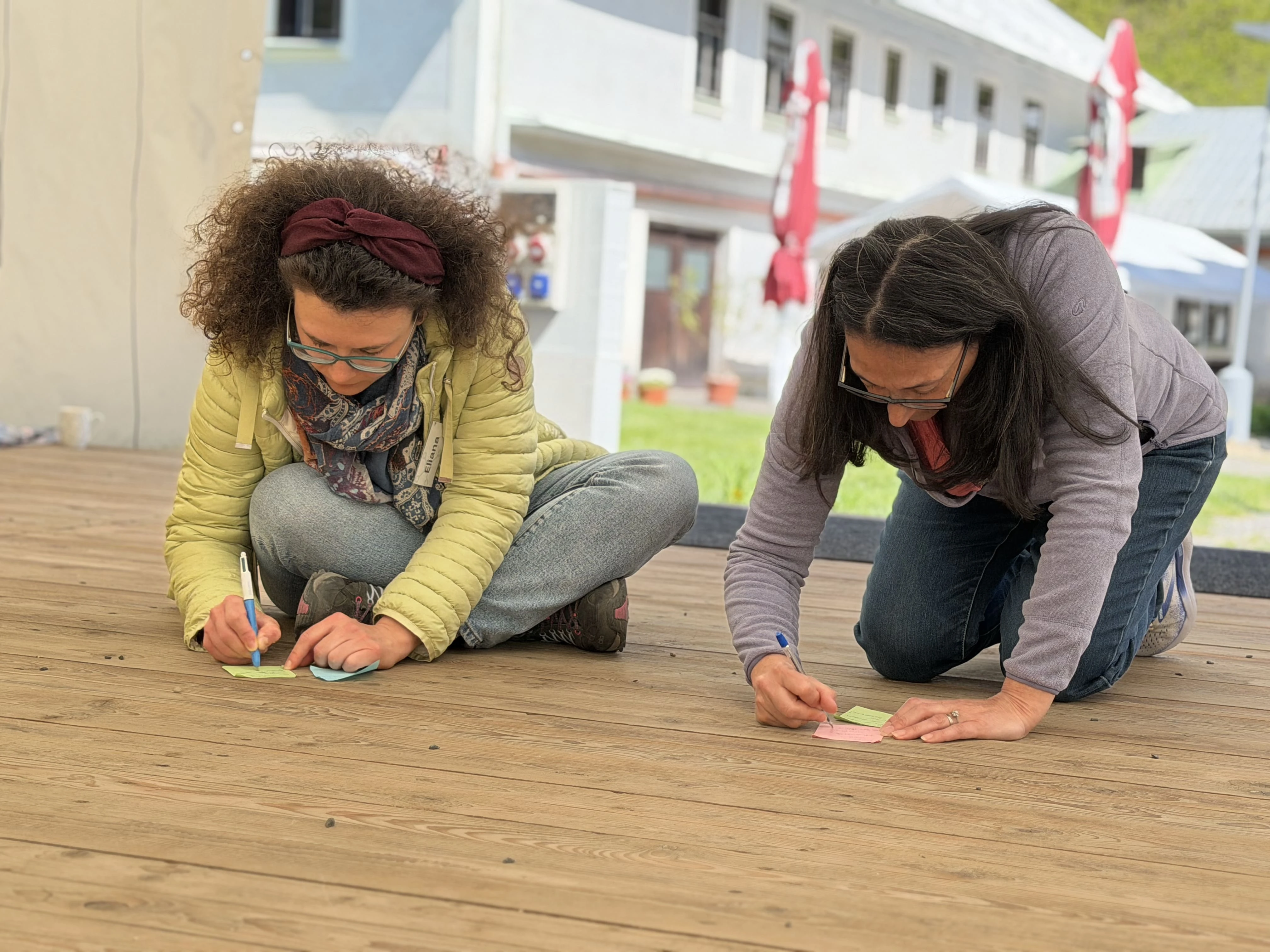
The course was not built around slides alone. Instead, it intentionally combined activities, simulations, and hands-on experiences. One moment participants were drawing based only on verbal descriptions; the next, they were using the GetBadNews simulator to experience the spread of hoaxes from the other side. One of the highlights of the week was a trip to Brno to watch the documentary Dangerous Games: Roblox and the Exposed Metaverse. The screening sparked a lively discussion about children’s online safety and how to address these topics both in the classroom and in conversations with parents.
The final part of the week was dedicated to creation. Small teams divided tasks and began working on materials that could be used immediately in practice: some designed printable educational board games, others created interactive branching history stories, while another group prepared mini-guides to digital tools for their schools. Before the course ended, all outputs were tested and reviewed by the other groups. The final reflection circle then gave everyone the chance to articulate what they were truly taking away from the experience.
Participants left the course with practical skills ranging from AI prompt writing and Canva design to working with tools such as Google Gemini, OpenAI ChatGPT, Perplexity AI Perplexity, Suno Suno, and Educaplay EducaPlay. But they also left with something equally important: the reassurance that they are not alone in facing the challenges of teaching in the digital age.